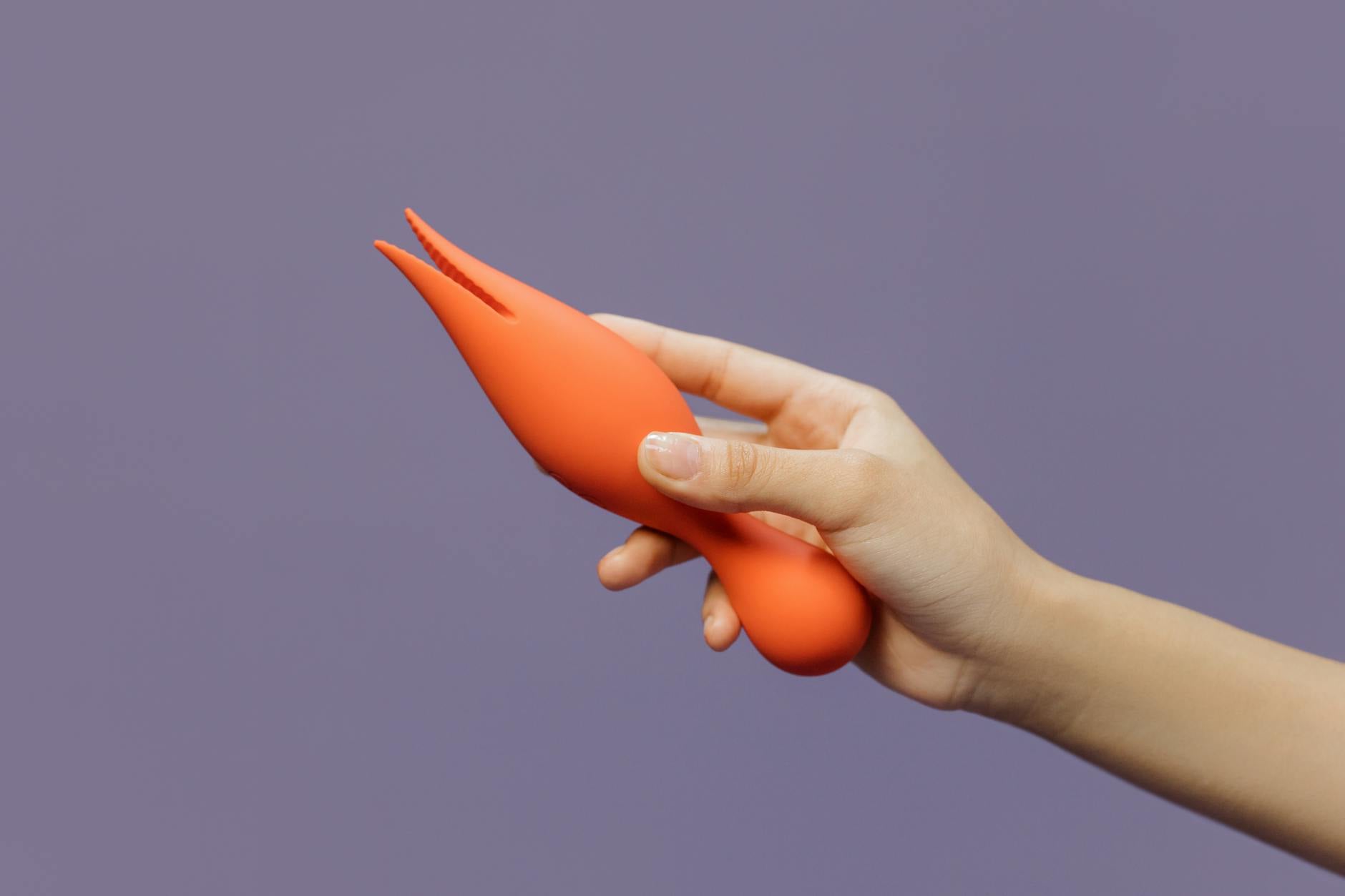
Why Lemon Vibrators Help With Arousal Delay After Antidepressants
Antidepressants are genuinely necessary. The arousal lag they bring doesn't have to be permanent. Here's how lemon clitoral vibrators change the equation.
They work. They genuinely help. And then they make arousal feel like you're trying to start a cold car in January. The pharmaceutical literature calls it "sexual dysfunction." What it actually feels like is slower, duller, more effortful.
Most SSRIs (selective serotonin reuptake inhibitors) work by increasing available serotonin in the brain. Serotonin is great for mood stability. It is less great for sexual response.
Here's the neurology: arousal relies on a delicate balance between serotonin (which dampens sexual response) and dopamine plus norepinephrine (which drive it). SSRIs tip that scale toward serotonin. The result is a longer time to erection or lubrication, less sensation intensity, and sometimes difficulty with orgasm altogether.
This affects roughly 40-60% of people taking SSRIs, depending on the dose and the medication. It's not your imagination. It's not psychological. It's pharmacology.
Arousal delay is a weird problem to navigate with a partner. Sex takes longer to start. Sometimes it doesn't start at all. The internal narrative flips: instead of "I want this," it becomes "Why is this taking so long?" Frustration enters. Pressure follows. And pressure is the enemy of arousal.
Many couples respond by lowering their expectations or stopping altogether. That's one path. But it's not the only one.
This is where the mechanics matter. Traditional vibrators rely on speed and frequency to create sensation. If your nervous system is already dampened by medication, chasing higher speeds becomes a game of diminishing returns.
Lemon clitoral vibrators work by suction, which stimulates the clitoris through consistent, sustained pressure and gentle pulsing. You're not racing against arousal delay. You're working with the sensory system you have right now.
The suction creates a feedback loop: gentle sustained pressure triggers nerve endings faster than vibration alone. The sensation builds differently. Many people taking antidepressants report that suction-based stimulation feels more noticeable, more grounded, even when their baseline arousal is slower.
Lemon clitoral vibrators are engineered with a seal that creates gentle suction at adjustable intensities. You're not looking for a specific frequency or vibration pattern. You're building sensation layer by layer, which is exactly what a slower-arousing nervous system needs.
Start at the lowest setting. The goal is to notice sensation, not to chase orgasm. This reframes the entire experience: instead of "Why isn't this working?" you get "Oh, I actually feel that." Over 10-15 minutes, sensation accumulates. The nervous system catches up.
For many people on SSRIs, this approach shortens the gap between starting and arriving. Not because the vibrator is magic, but because suction-based stimulation is neurologically better matched to medication-altered arousal.
This is the second part. Equipment helps. Communication helps more.
If you're using a lemon vibrator with a partner, the message isn't "I'm broken and need a device to fix me." It's "My nervous system responds better to sustained sensation than quick frequency. Let's explore that together."
Many couples find that slowing down and using a clitoral vibrator becomes a shared practice. Less pressure, more presence. Longer foreplay that doesn't feel like foreplay because there's no endpoint anxiety.
The partner also benefits: sex becomes less about speed and performance, more about sustained attention. That shift alone often improves connection.
Beyond a lemon vibrator, a few things actually help:
Extend warm-up time. Budget 20-30 minutes instead of expecting things to move quickly. This removes pressure and gives your nervous system space to respond.
Use water-based lubricant. Medication can also affect natural lubrication. Lube isn't a workaround; it's a tool that reduces friction (literal and emotional).
Explore sensation separately from sex. Touch yourself without the goal of orgasm. Notice what feels good. This rewires the nervous system's relationship to pleasure.
Check your other medications. Some blood pressure meds, antihistamines, and birth control also affect arousal. Your doctor can help identify compounding factors.
Consider therapy. A sex-positive therapist can help separate medication-induced arousal delay from relationship dynamics or anxiety. Sometimes it's purely pharmacological. Sometimes it's not.
Antidepressants don't have to mean goodbye to pleasure. They mean hello to a different timeline. A lemon clitoral vibrator isn't a hack; it's a tool designed for how your body actually responds right now.
The goal isn't to return to pre-medication arousal. The goal is to enjoy sex as it is, in this phase of your life, with your medication doing its job and your pleasure still mattering.
Yes. A lemon clitoral vibrator is actually well-suited to medication-affected arousal because suction-based stimulation works through different neural pathways than vibration alone. Many people taking SSRIs report that suction devices feel more noticeable and produce results faster than traditional vibrators. There are no safety interactions.
Not necessarily. For some people, the body adapts over time and sexual side effects diminish. For others, the effect persists. If it does persist and bothers you, dose adjustment, medication timing changes, or medication switches are all worth discussing with your doctor. The effect is real, but it's not always permanent.
It depends on the person and the medication. Some people notice a difference in the first session because the sensation profile is so different from what they've tried before. Others need a few sessions to understand how their body responds. Give it at least 3-4 uses before deciding if it's working for you.
It might. Different SSRIs have different sexual side effect profiles. Sertraline and citalopram tend to have slightly lower rates of arousal delay than paroxetine. But switching medications is a clinical decision that involves risks and benefits beyond just sexual function. Work with your prescriber before making any changes.
Absolutely. The most effective approach combines a few things: extended warm-up time, good communication with your partner (if you have one), lubrication, and a tool like a lemon clitoral vibrator that matches your nervous system's actual response speed. It's not either-or. It's all of the above.
Traditional vibrators rely on frequency and speed to create sensation. If your nervous system is dampened by medication, higher speeds don't always translate to better results. Lemon vibrators use suction, which creates sustained pressure and pulsing. This stimulates nerve endings through a different pathway, and many people find it more noticeable when arousal is slower or muted. For medication-altered arousal specifically, suction often outperforms vibration alone.
You didn't choose to have depression or anxiety. You did choose to treat it. That treatment matters. And your pleasure matters too. They're not in conflict, even when they feel like it sometimes.
A lemon vibrator isn't giving up on natural arousal. It's working intelligently with the nervous system you have right now. That's not compromise. That's wisdom.
If you want to explore how a lemon clitoral vibrator might fit into your life, Hello Nancy is here. And if you have questions about your specific situation, reach out at /contact. You deserve sex that feels good, regardless of what medications you're taking.