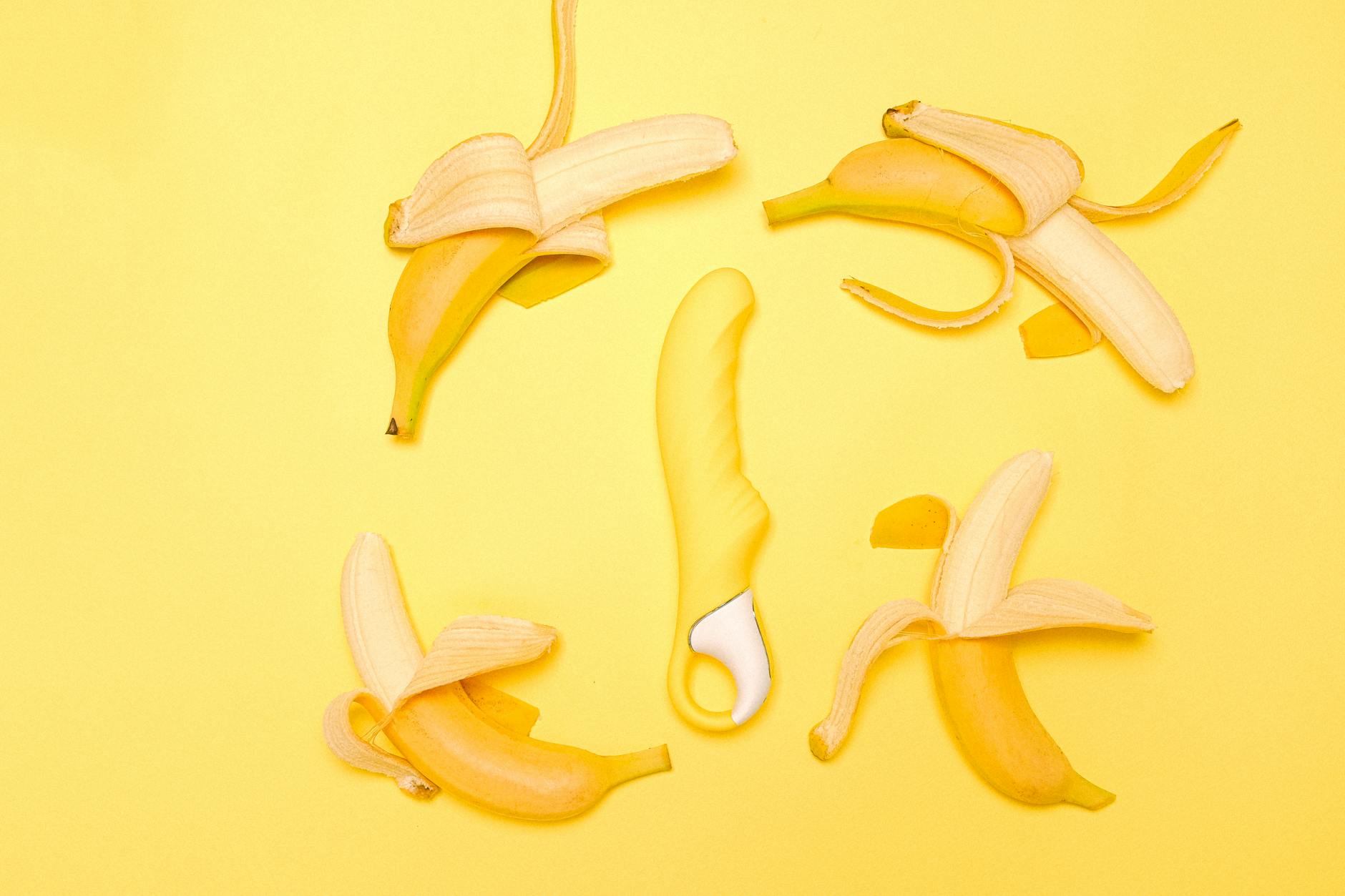
How to Use a Lemon Vibrator When Your Partner Says It's Too Much Stimulation
One of the most common complaints I hear from couples: "The vibrator feels too intense." Here's the exact framework to dial it in, stay connected, and actually enjoy the experience together.
When a partner says a vibrator feels like "too much," what they usually mean is one of three things: it's overwhelming the sensations they actually want, it's hitting the wrong spot, or the rhythm is too unrelenting. None of those problems mean you should abandon the toy. They mean you're using the wrong approach. That's actually fixable.
Lemon vibrators, specifically, are designed around this problem. Unlike traditional vibrators that hammer away at one frequency, a lemon clitoral vibrator uses suction and pulsing patterns that mimic natural stimulation more closely. But even the right tool needs the right technique when your partner's nervous system is telling you to back off.
The clitoris has around 8,000 nerve endings in a space smaller than a pea. When you apply direct, sustained vibration at high intensity, you're not building pleasure. You're triggering a kind of sensory shutdown where the nerves go numb as a protective response. This happens to about one in three people with clitorises at some point.
There's also the psychological piece. If your partner grew up with shame around their pleasure, or learned that sex should be quiet and quick, the sensation of being fully stimulated can feel "wrong" or "too much" not because it's physically overwhelming but because it's emotionally unfamiliar. That's a different problem that requires a different solution.
The third reason: poor positioning. If the vibrator is pressing directly onto the clitoris with no give, it's like holding your finger on a bruise. Suction and indirect stimulation (working the broader clitoral structure rather than the tip) changes everything.
Most lemon vibrators have 3 to 7 intensity levels. The mistake people make is starting at level 3 or 4 and assuming "medium" is the right baseline. It's not.
Here's what I recommend:
Start at level 1. Not as foreplay. As the main event. Spend 5 to 10 minutes there. Your partner should feel the sensation clearly but not feel like it's demanding anything from their body. If level 1 feels barely noticeable, that's actually perfect. You're training the nervous system to recognize subtlety.
Move to level 2 only when your partner asks. Or when you notice their hips responding. Pleasure should feel like an invitation, not an invasion. This takes patience. Most people rush this step because they think "more" equals "better."
Hold each level for a full 3 to 5 minutes. The clitoris needs time to wake up. If you jump from level 1 to level 4 in 30 seconds, you're not building arousal. You're spiking stress. The nervous system needs a ramp.
Use pattern variation instead of intensity escalation. If a lemon vibrator offers 5 different pulse rhythms, try rotating between them at the same intensity rather than turning it up. Different patterns activate different nerve pathways. You might find that level 2 with pattern 3 feels better than level 4 with pattern 1.
Direct clitoral contact is not the goal. Indirect contact is.
Instead of pressing the toy straight onto the clitoris, position it slightly above it, against the mons pubis or the inner labia. This spreads the stimulation across a larger area and lets the vibration diffuse rather than concentrate. A lemon clitoral vibrator's rounded tip is actually designed for this. It's not a drill. It's a gentler, broader tool.
If your partner lies on their back with a pillow under their hips, that angle change alone often makes a huge difference in how intense everything feels. The tissue presentation changes. Gravity works differently. Same toy, completely different sensation.
You can also use the toy more slowly. Instead of holding it in one spot, let it move gently across the area, pausing where she responds most. This keeps the nervous system engaged without overwhelming it.
After you've shifted technique and intensity, there's still a conversation to have. When your partner said "too much," did they mean physically too much, or did they mean they felt self-conscious, or rushed, or worried about taking too long?
I've worked with couples who had a vibrator sitting in a drawer for two years because one partner said it was "too intense" when what they actually meant was "I feel weird about this and I'm not sure how to tell you." That's not a technique problem. That's a trust problem.
Before you try again, ask: "What would feel good to you?" Not "Does this feel okay?" That yes-or-no question doesn't give you real information. Ask your partner to describe the sensation they want. Is it buzzing or pulsing? Light or deep? Fast or slow? Let them lead.
Then honor that direction. If your partner says "I want something that feels like gentle pressure," level 1 with indirect contact is probably your answer. If they say "I want it to build slowly," the intensity dial method I described is your roadmap.
Sometimes the issue isn't technique. It's the tool itself.
If your partner has tried lemon vibrators at level 1, with indirect positioning, at a slow pace, over multiple sessions, and still feels like it's too much, a different approach might actually be what you need. Some people respond better to slower, less intense toys. Some prefer external wand vibrators that cover a broader area.
But before you switch toys, try this: use the lemon vibrator for 15 minutes without actually turning it on. Just the weight, the shape, the texture against their skin. Let their body get familiar with having the toy there. Then turn it on at level 1. A lot of the "too much" feeling comes from the surprise of the sensation, not the sensation itself.
You can also incorporate it into partnered touch. You hold the toy. You control the pressure. Your partner controls the pace and intensity by how they move toward it or away from it. This shifts the dynamic from "something is being done to me" to "we're doing this together."
Here's what I see happen consistently when couples slow down and tune the intensity properly: within a few sessions, the partner who said it was "too much" starts asking for the lemon vibrator themselves. Not because the toy changed. Because they finally experienced it in a way their nervous system could actually process and enjoy.
Pleasure isn't about maximum intensity. It's about the right intensity for right now, with the right partner, at the right moment. That takes communication, attention, and willingness to dial things way back. If you're willing to do that, a lemon clitoral vibrator becomes something you both actually want to reach for.
The fact that you're reading this means you already care enough to get it right. That's honestly the hardest part.
There's a big difference. Genuine enjoyment shows in breathing changes, hip movement, muscle relaxation in the face and shoulders, and often spontaneous sounds or words. Tolerance looks like stillness, held breath, tension in the jaw, or a fixed expression. If you're not sure, pause and ask. "Does this feel good, or are you checking out?" is a real question that deserves a real answer. Some partners need permission to say "not right now" even when you're trying your best.
Yes, and it's often easier than you'd think. The reason you went numb with other vibrators is probably because of sustained high-intensity stimulation. A lemon vibrator's suction-based approach activates different nerve pathways than traditional vibrators do. Start at level 1, take breaks every 5 to 10 minutes, and give your nervous system time to reset. You might find sensation returns much faster than expected.
That's completely valid. Solo use is a different conversation than partnered use. Your partner might feel less self-conscious alone, might have more control over the pace, or might just need a lower-stakes way to explore. Don't push for partnered use. If they eventually want to share the experience, they'll tell you. Until then, supporting their solo exploration matters more.
It depends on what caused it. If it's purely a sensitivity issue, 3 to 5 sessions of intentional, slow, low-intensity use often shifts things. If there's an emotional component (shame, anxiety, trust issues), it might take longer. You're not fixing a problem. You're building a new association with the toy. That takes time. Don't rush it.
All lemon clitoral vibrators have lower intensity levels. The difference is usually in the pressure you apply and the positioning you use. A lemon vibrator set to level 1 is genuinely gentle. If even that feels like too much, the issue is usually psychological readiness, not the toy's design. That's worth exploring in conversation before you assume you need a different product.
Always ask beforehand. Surprise vibrators damage trust, even when intentions are good. Say something like: "I've been thinking about trying a lemon vibrator together. Would that interest you?" Let them sit with that thought. Let them ask questions. If they're hesitant, ask why. That conversation is where the real work happens.
When a partner says a vibrator feels like too much, you haven't failed. You've just gotten information that matters. Intensity, positioning, rhythm, emotional readiness, trust, communication. Each of those is adjustable. A lemon clitoral vibrator works beautifully for couples who are willing to slow down, tune the intensity carefully, and listen to what their partner is actually saying beneath the "too much."
If you want to dig deeper into how couples navigate pleasure and communication, we're here to help. Reach out if you'd like to talk through what you're experiencing.