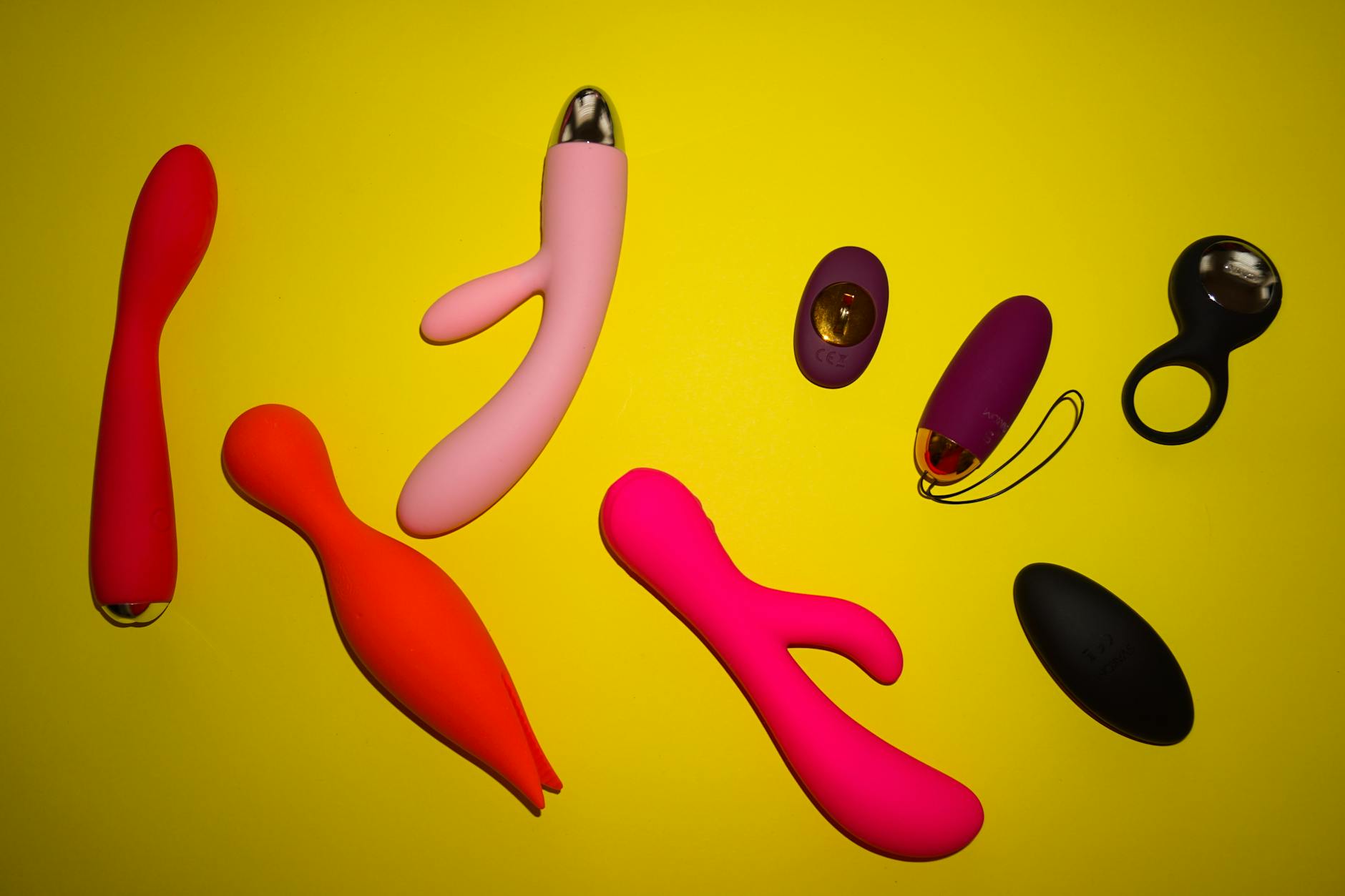
Suction feels different than vibration for delicate skin. Here's how to use lemon clitoral vibrators safely with barrier concerns and what actually protects you.
Let's be real: if you've got sensitive vulva tissue, traditional vibrators can feel like overkill. That constant buzz, the direct friction, the way it amplifies every nerve ending? Sometimes you need something gentler. That's where a lemon vibrator does something different. The suction-based stimulation of the Lem works on a completely different principle than conventional vibration, and that distinction matters for sensitive skin.
When you use a lemon clitoral vibrator, you're not getting percussion against delicate tissue. You're getting gentle, rhythmic suction that stimulates without the same mechanical pressure. For people with vulvodynia, lichen sclerosus, lichen planus, or even just post-inflammatory hypersensitivity, that shift can be the difference between pleasure and pain.
Traditional vibrators create micro-movements against the tissue itself. The vibration travels into the skin, stimulating nerves through direct contact and movement. If your tissue is inflamed, thin, or hypersensitive, that kind of stimulation can trigger pain responses or worsen inflammation.
Suction works differently. Instead of vibrating against the tissue, it creates a gentle seal and rhythmic pressure wave. The Lem's suction patterns stimulate nerve endings without the same kind of friction. It's a distinction that shows up immediately for people with sensitive skin.
One more thing: suction doesn't require direct toy-to-skin contact in the same way. If you're managing barrier concerns or want an extra layer between yourself and the device, it's much easier to use a thin barrier with suction than with traditional vibration. Vibration can feel muffled or lost through a barrier; suction pressure still transmits clearly.
Some people with sensitive tissue, allergies to silicone, or STI concerns want an extra layer between themselves and the toy. The good news: it's entirely possible with a lemon clitoral vibrator.
Thin latex barriers (dental dams or modified condoms). Cut a condom lengthwise and drape it over the device head. Suction still works through latex because it transmits pressure effectively. Latex is also less porous than some other barriers, which is useful if you're managing yeast concerns or bacterial overgrowth.
Polyurethane films. These are thinner than latex and transmit suction sensation almost as clearly as direct contact. They're hypoallergenic, which matters if latex sensitivity is part of your picture.
Non-microwavable plastic wrap. I know this sounds DIY, but it works. It's thin enough that suction sensation stays intact, and it's a genuinely accessible option if you need a barrier right now.
What doesn't work well. Thick barriers like lambskin or heavy-duty condoms muffle suction significantly. You'd lose the intensity that makes the Lem effective in the first place. Skip those.
One practical note: if you're using a barrier, apply water-based lubricant to both sides. It helps the barrier stay in place and actually improves sensation by creating a smooth surface for suction to work against.
For sensitive tissue, your lube is doing real work. It's not just reducing friction. It's creating a protective layer, preventing allergens from contacting inflamed tissue, and sometimes actively soothing irritation.
Water-based lubes. These are your safest baseline. They don't interact with silicone or latex, they wash off completely, and they're hypoallergenic if you pick the right brand. Look for lubes without glycerin if you're prone to yeast infections, and without parabens if you've had sensitivity reactions to preservatives.
Hyaluronic acid lubes. These mimic your body's own moisture and often feel less sticky than traditional water-based options. For people with vulvodynia or tissue thinning, they can feel dramatically more comfortable.
Oil-based lubes with barriers only. If you're using barriers, you can layer oil-based lube on top (never between barrier and toy). Oil lasts longer than water-based, which matters during longer sessions. But oil breaks down silicone and latex over time, so it's only practical with a barrier between your device and the lube.
What to avoid: anything with nonoxynol-9 (spermicide) if you have sensitive tissue. It's designed to disrupt membranes, which means it disrupts your tissue too. Skip numbing lubes entirely; they mask pain signals that your body is sending for a reason.
The Lem has multiple suction intensities, and if you're managing sensitive tissue, your relationship with intensity is probably different than for other users. Higher doesn't mean better, and intensity tolerance can shift week to week depending on inflammation levels.
Start at intensity 1. This is legitimately plenty for sensitive tissue. The suction sensation at level 1 is already quite noticeable; your nervous system doesn't need to be pushed here.
Notice the difference between comfortable sensation and pain. Pleasure can include intensity, but it shouldn't include burning, sharp pain, or that post-use rawness. If you're feeling that, you've gone too far. It's not about willpower or toughness; it's about protecting tissue that's already working hard to heal.
Adjust based on your cycle or inflammation patterns. If you track your vulvodynia flares or notice your tissue reacts to certain foods or stress levels, adjust your lemon vibrator intensity on those days. Some weeks you might stay at level 1. Other weeks, level 3 feels great. Both are fine.
Warm-up time is essential. With sensitive tissue, don't jump straight to your device. Spend 10-15 minutes on other kinds of stimulation or just mental arousal first. Your tissue needs time to become engorged and receptive. When blood flow increases naturally, your pain threshold often does too.
If you're managing a chronic tissue condition, timing matters.
Active flares. If you're in the middle of vulvodynia pain, lichen sclerosus inflammation, or any acute irritation, this is not the time for your lemon clitoral vibrator. Use that window to try other forms of pleasure that don't involve direct stimulation of inflamed tissue. That might be partner intimacy that doesn't involve your vulva, or it might be a break from sexual activity entirely.
Post-treatment windows. After you've had an injection, started a new medication, or had a flare episode, there's usually a healing window where gentle stimulation can actually be helpful. This is where suction really shines compared to traditional vibration. Check with your healthcare provider about timing.
Breakthrough days. Some people with sensitive tissue have days where sensation feels normal or even heightened, even if that's not the baseline. On those days, your lemon vibrator can feel amazing. Use them. They're a gift.
If you're in a relationship and you're managing sensitive tissue, this is worth naming directly. Your partner might worry that they're hurting you, or they might not understand why you sometimes want stimulation and sometimes don't.
Separate two different conversations: "My tissue has changed or is sensitive" is different from "I want us to explore this differently together." One is informational; the other is relational. Your partner doesn't need to manage your tissue health. They do need to understand that your pleasure sometimes looks different, and that's not a reflection on them or the relationship.
Using a lemon vibrator together can be a way to show what you enjoy and what intensity feels good. Suction-based stimulation often feels less intimidating to partners too, because it looks less clinical than a traditional vibrator. It's just another way to explore together.
Yes, with a barrier. The Lem itself is made from medical-grade silicone, so if silicone is your allergen, direct contact will trigger a reaction. But suction transmits clearly through latex, polyurethane, or even plastic wrap. Use a thin barrier and you get all the suction benefits without the allergen exposure. Just make sure your barrier itself isn't silicone-based.
No, and that's the point. Suction feels more like gentle pressure or pulling sensation, while vibration feels like buzzing or trembling. For most people with sensitive tissue, suction is noticeably gentler and less likely to trigger pain. That said, intensity matters more than the type of stimulation. Even suction at high intensity can be too much if your tissue is acutely inflamed.
Start with 10-15 minutes and notice how your tissue responds. Some people with chronic conditions need to keep sessions shorter to avoid post-use inflammation. Others find that 20-30 minutes is fine. Listen to what your body is telling you the next day. If you're sore, tender, or raw afterward, you've pushed past your tissue's tolerance. Next time, stop earlier or use a lower intensity.
It depends on the stage of treatment. During initial flare episodes or right after injections, sexual activity usually isn't recommended. But once you're past that acute phase, gentle stimulation with a suction toy can actually help normalize sensation and reduce pain over time. Ask your pain specialist about timing. Most will say you can resume activity once initial healing is complete.
Potentially, but with care and ideally with professional support. Suction is gentler than vibration, which can matter for trauma responses. However, any stimulation that triggers dissociation, panic, or re-traumatization is not the right tool. If you're managing trauma responses, working with a sex-positive therapist who understands your history is worth doing before introducing any new device. Your lemon vibrator should be part of pleasure, not part of processing.
Yes. Using barriers doesn't damage the toy or reduce its lifespan. It's a totally legitimate way to use any sex toy. The only consideration is comfort. Some people find that barriers feel slightly less intimate or slightly more clinical. But if barriers help you feel safer or reduce sensitivity concerns, that matters more than raw sensation.
Sensitive tissue isn't a barrier to pleasure. It's a different path to it. Suction-based lemon vibrators offer something gentler than traditional vibration, and barriers give you even more control over what touches your skin. Whether you're managing vulvodynia, recovering from inflammation, or you just have tissue that prefers gentler stimulation, a lemon clitoral vibrator is designed to work for you. Pay attention to what your body is telling you, adjust intensity and frequency based on your actual experience, and know that your pleasure absolutely deserves support and care.
If sensitivity is new or worsening, talk to a healthcare provider who specializes in vulvovaginal health. Sometimes what feels like permanent sensitivity can shift with targeted treatment. Your best tool is information plus self-awareness plus professional support when you need it.