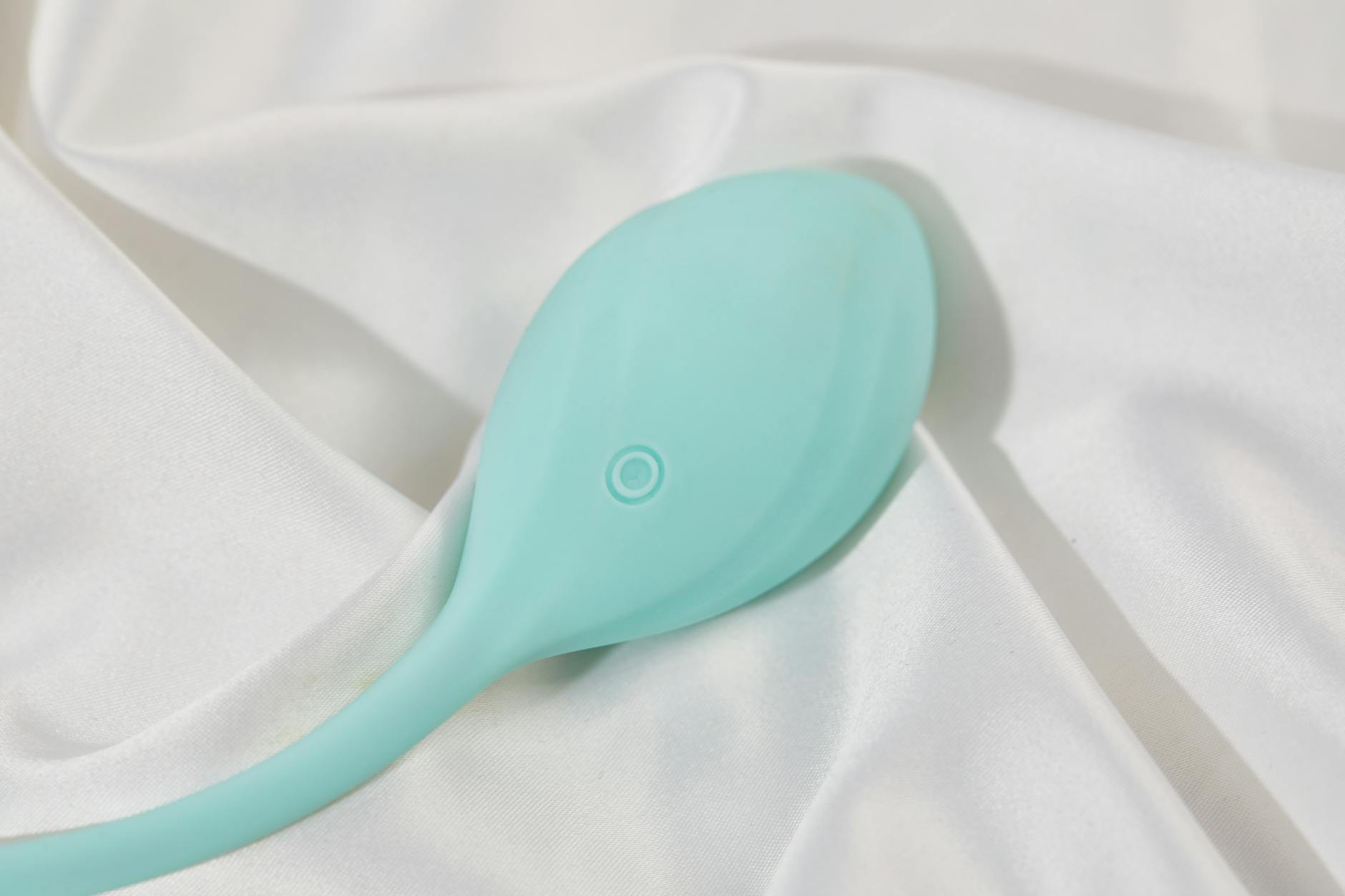
How to Use a Lemon Vibrator with Anxiety or Trauma History
Your body's safety matters more than performance. Here's how to explore pleasure slowly, on your terms, using a lemon clitoral vibrator as a tool for reconnection.
Let's be real. Pleasure can feel complicated when your nervous system has learned to stay on guard. Trauma, anxiety, and past experiences don't just live in your mind. They live in your body. Your nervous system remembers, even when you don't consciously think about it.
That doesn't mean pleasure is off-limits. It means you get to design your own approach to it. A lemon clitoral vibrator can actually become a tool for nervous system healing, not just sensation. This is about going at your speed, with control, and building trust with your own body again.
Unlike traditional vibrators that demand your body respond to their rhythm, a lemon clitoral vibrator like the Lem uses suction. You control the intensity and pacing. That control is everything for people whose trauma taught their body that control was taken away.
Here's what matters physiologically. The suction sensation is gentler on nervous system activation than intense vibration. It doesn't shock your system. It invites. Your nervous system gets to move at its own pace, which is exactly what healing requires.
Many people with trauma histories report that suction-based stimulation feels more grounding than traditional vibration. It creates a sustained pressure that signals safety to your vagus nerve, rather than the rapid-fire input that can trigger hypervigilance.
Before you touch the device, spend a week or two getting comfortable with your body in non-sexual ways. This is not about building arousal. This is about building familiarity and trust.
Try this basic practice: five minutes a day, fully clothed, with your hand on your chest or belly. Feel your heartbeat. Notice your breath. This is called interoception, and it's the nervous system skill that trauma often disrupts. You're teaching your body that touch can be safe and predictable.
Once you feel steady with that, introduce the lemon vibrator to your life without using it. Hold it. Look at it. Run your finger over the silicone. Let your nervous system know this object exists and it's safe. Some people keep it on their nightstand for a week just to get used to its presence.
When you're ready to actually use a lemon clitoral vibrator, do this in order.
First, ground yourself. Grounding is not meditation. It's a fast nervous system reset. Try the 5-4-3-2-1 technique: name five things you can see, four things you can touch, three things you can hear, two things you can smell, one thing you can taste. This takes two minutes and it signals to your nervous system that you are safe and present right now.
Second, get your environment right. You need privacy, yes, but more importantly you need control. Can you lock the door? Can you control the temperature? Do you have a blanket within reach? These are not luxuries. They're nervous system safety tools. Feeling exposed or cold activates threat response.
Third, start externally only. Use the lemon vibrator on the outer labia or the mons pubis. Set it to the lowest intensity setting. No penetration. No direct clitoral contact yet. Your nervous system is learning that this sensation is predictable and controllable.
Here's the crucial part that most guides skip: pleasure itself can be triggering when your nervous system has been through trauma. Your body might interpret arousal as threat. This is normal. It's not broken.
This means you might feel the urge to rush, shut down, or dissociate. Any of those is a signal to pause, not to push through. Your body is not being difficult. It's communicating.
If you notice dissociation, grounding through sensation helps. Name the texture of the silicone. Feel the warmth of the device. Anchor into your body through physical description, not emotional processing.
If you feel the urge to rush, slow down instead. Reduce intensity. Sit with what you're feeling for 30 seconds without doing anything. Your nervous system will regulate faster when you don't fight it.
Build in micro-sessions if needed. Five minutes of exploration, then stop. Do this three or four days in a row. Your nervous system needs repetition to learn that this experience is safe. One long session can feel overwhelming. Many small sessions build confidence.
Once external stimulation feels stable, you can move toward more direct clitoral contact if you want to. But if external-only feels good, that's complete. There is no progression you need to follow.
If you do explore direct contact, maintain the same low-intensity approach. The Lem's lowest patterns are designed for sensitivity, which makes them ideal for this work. Stay there until your nervous system signals readiness to increase.
Many people with trauma histories find that they actually prefer lower intensities long-term. This is not deprivation. It's sensory precision. Your nervous system has learned to notice subtle shifts, and that creates its own kind of depth.
If you're in a partnership and you want them involved, start without them present. Get comfortable alone first. Your nervous system needs to know this is something you control, not something that happens to you.
When you're ready, tell your partner exactly what helps. "I need you to sit quietly next to me, no talking," or "I need you in another room," or "I need you to check in with me every two minutes." Your specific needs are not too much.
Make it clear that pleasure is secondary. Nervous system safety is primary. A partner who understands this has just learned something essential about what love actually requires.
If you find yourself stuck in intense dissociation, numbness, or triggered panic responses, therapy is genuinely helpful. I recommend working with a trauma-informed therapist who understands somatic therapy (body-based healing). This is not a substitute for clinical support.
Some people benefit from working with a sex therapist alongside a trauma therapist. A sex therapist trained in trauma can help you rebuild your relationship with pleasure in ways that a general therapist might not.
Pleasure itself doesn't heal trauma. But the nervous system regulation that can happen during controlled, self-directed pleasure exploration can contribute to healing. You're teaching your nervous system that touch, sensation, and your body can be safe and under your control. That's deeply therapeutic. A lemon clitoral vibrator's suction design makes this easier than traditional vibration because the intensity is more manageable.
Dissociation is disconnection. You feel numb, floating, or watching yourself from outside your body. Your body might be responding, but you're not present. Actual arousal is presence. You feel sensation. Your breath changes. You're aware of your body, not separated from it. If you notice dissociation, pause and ground yourself. Arousal should involve presence, not absence.
Completely normal. Numbness is often a protective response from your nervous system. It's not a failure. It means your body needed to not feel, and that was smart. Keep showing your nervous system that sensation is safe through repeated, low-intensity exposure. Sensation often returns over weeks, not minutes.
Some medications can reduce sensitivity or arousal, yes. But "reduced" does not mean "impossible." Talk to your prescriber about side effects. Some medications have alternatives. Some don't. If you're on medication that flattens sensation, using the Lem's mid-range intensities often works better than traditional vibrators because suction is already gentler.
Ready means you've done your current step at least three times without panic, dissociation, or numbness. Ready means your nervous system feels steady during and afterward. Ready is not about desire or "turning on." It's about stability. If you're not stable, you're not ready. That's not failure. That's wisdom.
That's a relationship problem, not a pleasure problem. Your pace is non-negotiable. A partner who respects you understands that. If someone is pushing you toward sensation or performance that your nervous system can't handle, that's a sign the relationship itself might need attention. A marriage and family therapist can help you navigate this conversation.
Your nervous system has learned protective patterns. Those patterns made sense. They kept you safe when safety was uncertain. Now you get to slowly, gently teach your body that you can be safe while experiencing pleasure. A lemon vibrator is just a tool. You're the expert on your own body.
Go slowly. Pay attention. Your body will tell you what it needs if you listen. If you get stuck, therapy is not weakness. It's intelligence. You deserve pleasure that feels safe. That's the only kind worth having.