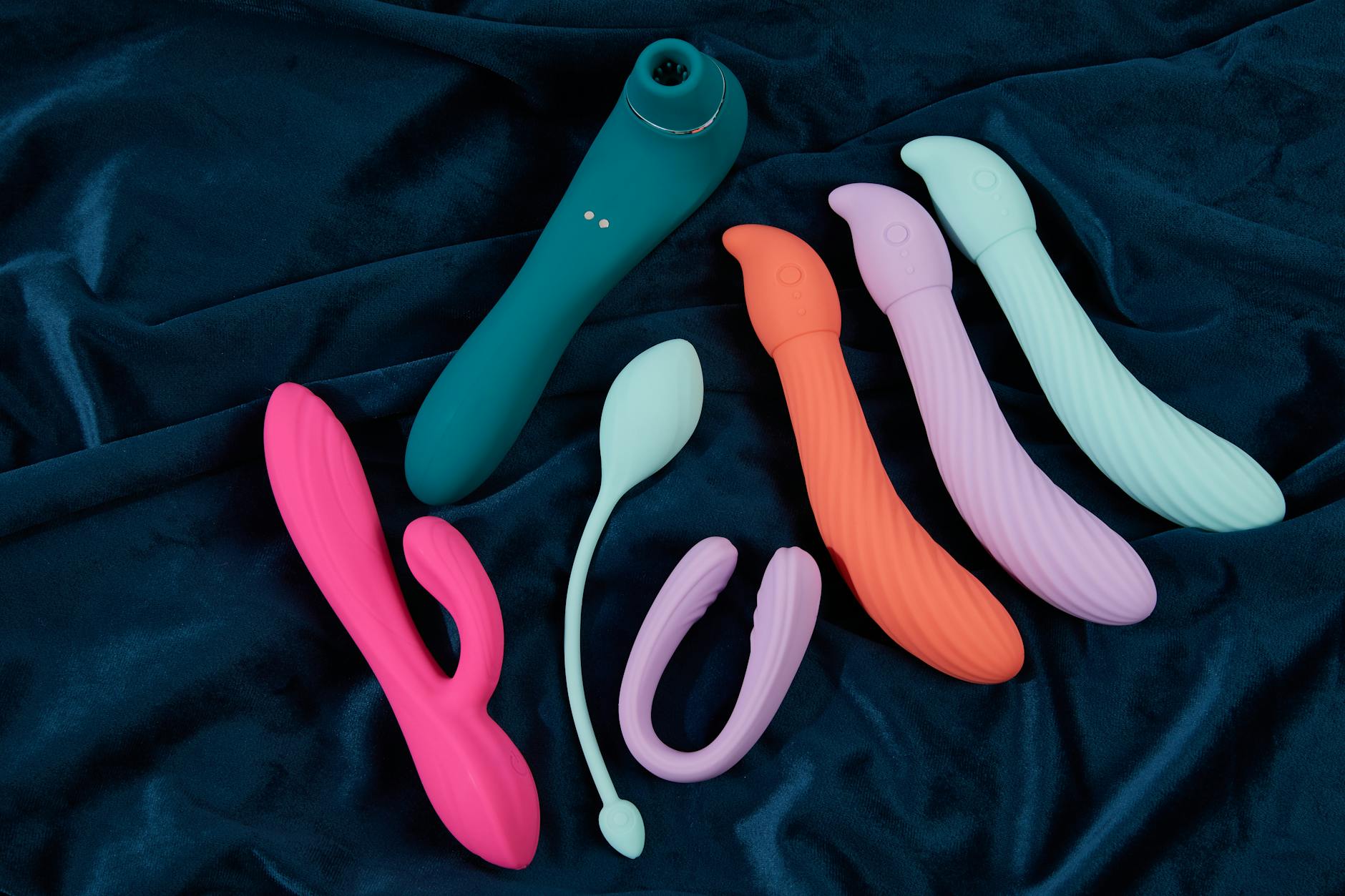
You don't need a stronger toy. You need the right approach to the one you have. High clitoral sensitivity is often misread as "fragile" or "broken," when it's actually just your nervous system being efficient at its job. A lemon vibrator, with its gentle suction-based stimulation, is often a better fit for sensitive tissue than traditional vibrators. The issue isn't the device. It's the pattern, the intensity, and how you're positioning it.
I've worked with countless people who thought they couldn't enjoy any vibrator because direct contact felt overwhelming. Most of them had never tried air-suction stimulation before.
A few things can be at play here. Some people are simply born with denser nerve endings in the clitoral complex. Others develop heightened sensitivity from hormonal shifts, inflammation, or even stress (yes, really). Antidepressants, birth control, and certain medical conditions also amp up sensitivity. And sometimes it's contextual: you might have high sensitivity during certain phases of your cycle, after intense exercise, or when you're anxious.
The clitoris has about 8,000 nerve endings concentrated in a tiny area. When your nervous system is firing on all cylinders, even light stimulation can feel too intense. This doesn't mean you should avoid stimulation entirely. It means you need to control the variables: pressure, pattern, duration, and positioning.
Most people skip this step. They assume "level 1" will feel underwhelming, so they jump to level 3 or 4. Then they wonder why it feels painful instead of pleasurable.
With a lemon clitoral vibrator, start on pattern 1 or 2 at the lowest suction setting. Spend 5-10 minutes here. Your body needs time to acclimate to the sensation, and your arousal needs space to build. What feels weird at level 1 often becomes deeply pleasurable once your nervous system realizes it's safe.
The beauty of a lemon vibrator for sensitive tissue is that even the lowest setting delivers consistent stimulation. You're not fighting with weak vibrations that feel chaotic. You're working with graduated suction that your body can anticipate.
Where you place the lemon vibrator changes everything. If you're sensitive, avoid direct contact with the clitoral glans (the most nerve-dense part). Instead, try these angles:
Outer labia positioning. Place the cup over the outer lips rather than directly on the clitoris. The suction still stimulates the entire clitoral complex, but through a layer of tissue that acts as a buffer. This reduces overwhelming sensation by about 40 percent in my experience with clients.
Hood coverage. If the clitoral hood covers your clitoris naturally, use that. Position the cup so the hood stays in place. Suction through the hood provides sensation without direct contact.
Slight offset. Rather than centering the cup, angle it slightly to one side. Your clitoris isn't perfectly centered, and off-axis positioning often feels less intense than dead-center suction.
Experiment for 2-3 sessions before dismissing a position. Your brain needs time to parse new sensations.
The Lem's pattern rotation isn't just about variety. Different patterns have different intensity profiles, even at the same suction level. Some patterns pulse. Some ramp up gradually. Some hold steady.
If you have high sensitivity, avoid patterns that pulse sharply or surge quickly. Look for steady, rolling patterns instead. Pattern 1 or 2 are usually your friends here. They give you a consistent wave of sensation rather than sudden spikes.
Switch patterns every 3-5 minutes during a session. Not because you're bored, but because your nervous system adapts to repeated stimulation. Changing the pattern resets your sensory perception, which often feels fresher and lets you go longer without fatigue.
Instead of trying to achieve intense orgasms quickly, budget 20-30 minutes and aim for longer, shallower sessions. This sounds counterintuitive. But with high sensitivity, the goal is to build arousal gradually rather than rush toward peak sensation.
A 30-minute session at level 1-2 often produces more satisfying results than a 10-minute blast at level 4. Your nervous system gets time to integrate the sensation, your arousal can actually build rather than spike and plateau, and you're far less likely to feel raw or overstimulated afterward.
Most people with high sensitivity report that their best orgasms come after they've spent time in this gradual arc.
Lubrication does more than reduce friction. It also diffuses sensation slightly, which is genuinely helpful when you're sensitive. A generous amount of water-based lube creates a buffer between your skin and the cup's edge.
Apply lube liberally and reapply halfway through a session. This isn't about glide. It's about creating a softer, more diffused sensation that your nervous system finds less overwhelming.
Silicone-based lubes tend to feel richer and slightly muffling if you're sensitive, but avoid them with the Lem's silicone cup. Stick to water-based options.
You probably already know this, but it's worth restating: high-sensitivity people need longer warm-up time. Don't jump straight to the lemon vibrator. Spend 15-20 minutes on other things first.
Mental arousal matters more for you than it does for others. Read something that interests you. Have a conversation with your partner about desire. Touch other parts of your body. Let your nervous system settle into pleasure mode before you introduce the device.
When you actually start using the vibrator, you're not fighting an uphill battle against a body that's still in neutral.
If you've tried positioning, started at level 1, and adjusted the pattern but it still feels uncomfortable, three options:
One. Hold the cup slightly away from your body rather than creating a seal. This reduces suction while maintaining contact. You get the gentle motion without the full pull.
Two. Use the vibrator over clothing. Cotton underwear or a thin layer of fabric between your skin and the cup softens sensation significantly. It's not ideal, but it works as a stepping stone while your sensitivity settles.
Three. Pause for a week. Sometimes high sensitivity is temporary, related to inflammation or hormonal timing. A short break and then a gentle restart often helps your body recalibrate.
If discomfort persists beyond these strategies, check in with a healthcare provider. Persistent pain during stimulation can signal vulvodynia, dermatitis, or other conditions worth addressing.
Here's something I tell clients with high sensitivity: your sensitivity is often highest when your arousal is lowest. As arousal builds, your pain threshold actually increases slightly. Your nervous system becomes less reactive.
This means a session that feels overwhelming at minute 5 might feel perfect at minute 20. Don't judge the experience too early. Give yourself permission to stay in the discomfort zone for a few minutes longer, knowing it usually passes as arousal climbs.
If it doesn't pass, stop. Pain is information, and it's worth listening to.
If you have vulvodynia or other chronic pain conditions that coincide with high sensitivity, certain patterns on the Lem can feel more therapeutic than others. Slow, rhythmic patterns often feel less triggering than rapid ones. The suction motion without sharp vibration can actually reduce pain in some cases, similar to gentle massage.
This is different from pleasure-seeking. You're using the device to manage discomfort and improve blood flow. It's worth exploring with a pelvic floor specialist if you're dealing with chronic pain.
If you're exploring the lemon vibrator with a partner, tell them upfront that you need to start slow. Not as an apology, but as a fact. "I'm sensitive, so we're going to spend the first 10 minutes on the lowest setting" removes the pressure to escalate.
Many partners mistake slow-start sessions for lack of interest. Reframe it: "This approach usually leads to better orgasms for me." It shifts the conversation from something being "wrong" to something being strategically chosen.
Possibly, and it's worth discussing with your gynecologist or pelvic pain specialist first. Some people with vulvodynia find air-suction devices less triggering than traditional vibrators because suction doesn't create the same frictional pressure. The Lem's gentle motion might actually feel soothing rather than painful. Start at the absolute lowest setting, use generous lubrication, and stop immediately if pain increases. Pain during stimulation is never a sign to push through.
Hormonal fluctuations, inflammation from exercise, stress levels, and where you are in your cycle all affect clitoral sensitivity. Many people are most sensitive around ovulation or during the first few days of their period. Tracking your sensitivity alongside your cycle for two months often reveals a pattern. Once you know when you're most sensitive, you can adjust your approach on those days.
No. You can be highly sensitive and have reliable, strong orgasms. What changes is the path to get there. You might need longer arousal time, lower intensity, or different positioning. High sensitivity is about the threshold at which your nervous system feels stimulation. Low orgasm capacity is a separate issue, though people sometimes confuse them. If you reach orgasm easily but need to start slow, you have high sensitivity. If orgasms feel distant no matter what intensity you use, that's a different conversation.
Yes. Suction-based stimulation creates a pulling sensation rather than friction. For many people with high sensitivity, this feels less sharp and more diffused than direct vibration. It's not universally true. Some sensitive people prefer traditional vibration. But if you haven't tried air-suction before, the Lem is worth exploring specifically because it works differently from what might have felt overwhelming in the past.
It varies. Some people acclimate to a new sensation within a few sessions. Others need 2-3 weeks of consistent, gentle use before their nervous system fully adjusts. Consistency matters more than intensity here. Weekly sessions at level 1 will do more for your adaptation than sporadic blasts at level 4.
Absolutely. Water-based lubricant acts as a buffer and also helps create a better seal with the cup, which can paradoxically feel less intense because the stimulation is more diffuse rather than sharp. Apply generously and reapply during longer sessions. Some people find that silicone lube (avoided with silicone toys) or hybrid lubes feel even softer, but water-based is your safest option with the Lem.
High clitoral sensitivity isn't a limitation you have to work around. It's a characteristic you can work with. The lemon vibrator, when used thoughtfully, often becomes the perfect match for sensitive tissue because it prioritizes graduated, controllable stimulation over intensity.
Start at the absolute lowest setting. Position it away from direct contact with the most sensitive area. Spend time on arousal first. And give yourself permission to go slow. The best sessions rarely come from rushing.
If you want to talk through your specific situation or need more guidance on technique, reach out to Hello Nancy at /contact. You deserve pleasure that feels genuinely good, not something you're gritting your way through.