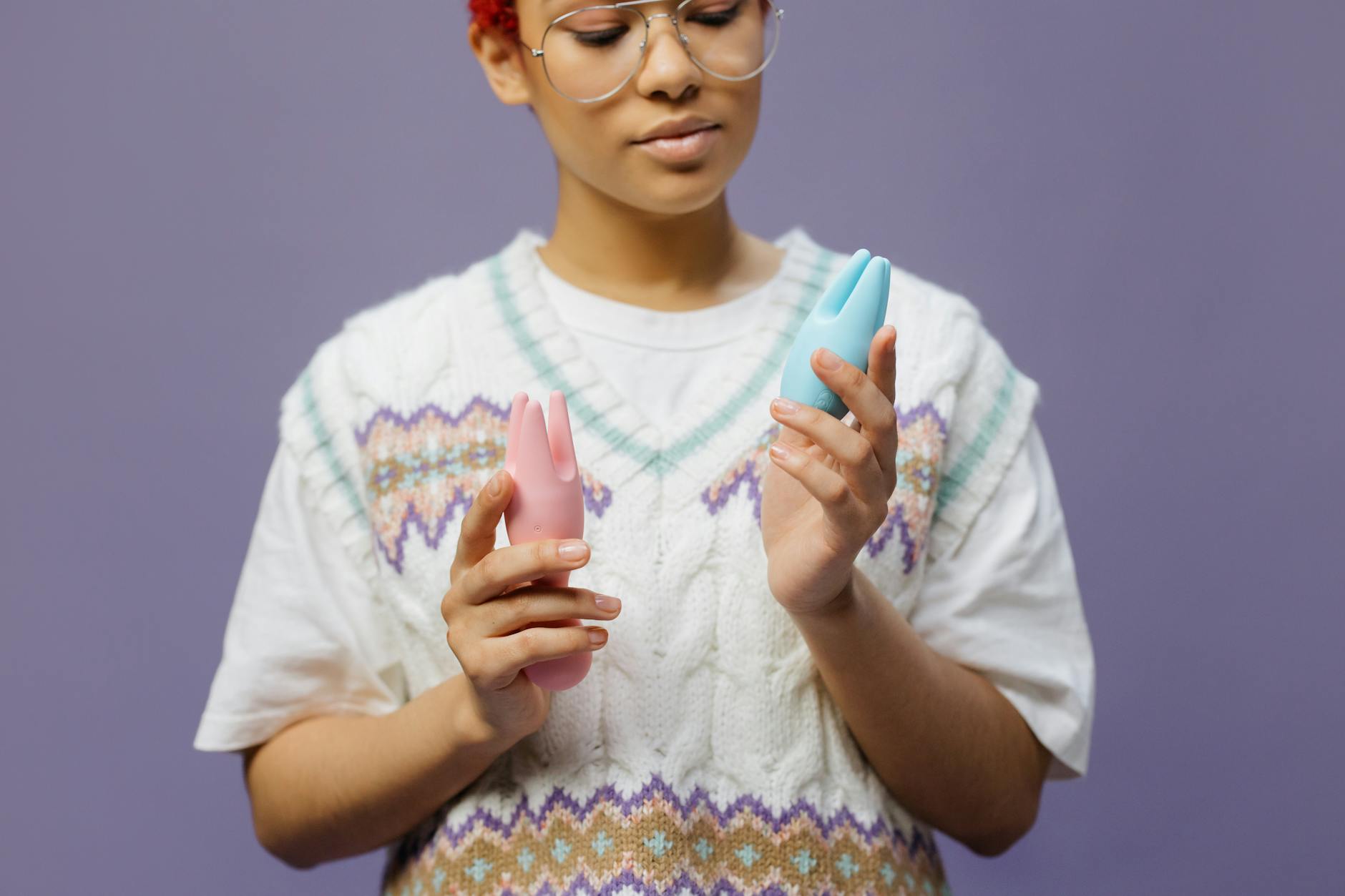
How to Use a Lemon Vibrator When Returning to Sex After a Long Break
You're not starting from zero. You're starting from where you are. Here's how a lemon clitoral vibrator makes that first step feel gentle, not awkward.
Six months. Two years. A decade. Time away from sex doesn't erase your body's capacity for pleasure. It just means there's a gap between your last experience and now, and that gap can feel bigger than it actually is. The anxiety about starting again is almost always louder than the reality of returning.
Here's what I see in my practice: people who come back to sex after a long pause don't need permission. They need a practical way to reconnect without the pressure of "performing" like they did before. That's where a lemon clitoral vibrator changes everything. Not because it's magic, but because it puts you back in charge of your own experience, at your own pace, without needing someone else's rhythm or expectations.
Whether you stepped back because of a breakup, health issues, caregiving demands, depression, or just life, the mechanism of return is the same. Your nervous system needs to feel safe. Your body needs to remember it's allowed to want things. And your brain needs proof that pleasure still works the way it used to.
The interesting part? Many people find that returning to sex after a long break is actually easier than their first time ever was. You know your body now. You know what you like. You're not trying to impress anyone or meet someone else's expectations. That clarity is your advantage.
But the rust is real. Arousal might take longer to build. You might feel weird about touching yourself, or nervous that sensation won't work the way it did. These aren't failures. They're signals that you need a gentler entry point than you might have used before.
I know this sounds obvious, but I say it because most people skip this step and then wonder why returning to sex feels awkward or pressured. Solo exploration first gives your nervous system permission to warm up without an audience or expectation.
Use a lemon clitoral vibrator on your own for at least two or three sessions before involving a partner, if a partner is part of your life. This isn't selfish. It's necessary. You're not testing yourself. You're reminding yourself how your body works when there's no one else in the room.
Start in a comfortable space. Bedroom, bath, wherever you feel safest. Put your phone in another room. Give yourself 20 to 30 minutes with no deadline. You're not trying to orgasm. You're just noticing what happens when you touch yourself with curiosity instead of pressure.
This matters more than you'd think. After a long gap, the psychological weight of "having sex again" can paralyze you. A lemon clitoral vibrator feels like foreplay, or exploration, or just pleasure for its own sake. It doesn't carry the same emotional baggage as partnered sex or even partnered foreplay.
The suction mechanism on a lemon clitoral vibrator also means you're not replicating the exact sensation of sex you remember. You're creating a new sensation that exists only in this moment, on your terms. That distinction helps your nervous system relax. You're not comparing. You're not testing whether you're "still the same." You're just feeling.
Start on the lowest setting. The lemon vibrator has gentle patterns that build, but you control the intensity. Many people returning to sex after a break find that lower intensities feel more accessible at first. Your sensitivity comes back. Your arousal accelerates. You don't need to jump to intensity level 4 on day one.
After a long break, the buildup to arousal might be slower. Your clitoris might feel less responsive at first. Lubrication might take longer to arrive. None of this means something is broken. It means your body is literally waking up.
This is where the lemon vibrator becomes your best tool. The consistent, reliable stimulation gives your nervous system something to track. You're not wondering if you're doing it right. You're not questioning whether your body still works. The vibrator is doing its job. Your job is just to notice what feels good and adjust the setting when you need to.
Many people report that after about three sessions, their arousal response returns to baseline. The anxiety drops. Sensation becomes vivid again. Orgasms come back, often stronger than before because you're more relaxed and you know exactly what you want.
If arousal doesn't return after four or five solo sessions, that's worth a conversation with a doctor. Sometimes medication side effects, hormonal shifts, or underlying health stuff can affect desire. But most of the time, it's just the gap. Your body is remembering.
Let them know you're returning to sex slowly. Not as a confession, but as a practical plan. "I want to take this step-by-step, and that means I'll be using my lemon vibrator first to get comfortable again."
A good partner welcomes this. They understand that your pleasure is the foundation of partnered sex, not an afterthought. If a partner makes you feel bad about needing time or using a vibrator to reconnect with your body, that's information. Pay attention to it.
When you do invite them in, the lemon vibrator can actually improve partnered sex. They can watch what you do. They can learn your rhythm. You can show them what intensity level works for you today (which might be different from last month, and that's fine). The vibrator becomes a shared tool, not a replacement.
Many couples find that this kind of intentional, slow return to sex actually strengthens intimacy. You're not falling back into old patterns. You're building new ones together, and you're both present and paying attention.
If you've been away from sex for a while, there's often a narrative running underneath: "I should feel shame about this gap." "My body won't work the way it used to." "I'm broken." "My partner will judge me."
None of those are facts. They're stories. And they're usually much louder and scarier than the actual experience of returning to sex.
The best thing a lemon clitoral vibrator does is prove to you, in real time, that your body still works. You feel the vibration. You feel sensation build. Maybe you orgasm. Maybe you don't, and that's fine. But you know something is happening. Your nervous system settles. The story quiets down.
This is why I recommend approaching return to sex not as a goal you need to "achieve," but as information you're gathering. What feels good? What doesn't? What did you like before that you still like now? What do you want to do differently this time?
That shift from pressure to curiosity changes everything.
Some people return to sex in weeks. Some take months. Both are normal. A lemon vibrator is patient. It doesn't need you to rush or perform on a schedule. You can use it once a week or once a day. You can build confidence slowly, or you can move faster once you feel ready.
The gap you experienced isn't a setback. It's just part of your life story. Many people who take a long break from sex report that when they return, they enjoy it more. They're less self-conscious. They know themselves better. They're not chasing someone else's idea of what sex should look like.
Your lemon clitoral vibrator is just a tool to help you find your way back to your own body. That's it. And it works.
There's no fixed timeline. Some people feel ready after a few weeks of solo exploration. Others need months. Your nervous system will tell you when it's ready. The key is not to rush based on what you think you "should" be able to do. If you're feeling pressure to return faster than your body wants, slow down. Return to solo exploration. The pressure is what delays the process, not time itself.
Probably, yes. Any new sensation feels strange at first. That's not a sign to stop. Spend one or two sessions just noticing what the vibration feels like, without any expectation of arousal or orgasm. By session three, it usually feels familiar. By session five, many people can't imagine returning to sex without one.
Solo exploration first is the better foundation. It removes the performance pressure and helps you reconnect with what your body wants independently. Once you feel confident alone, involving a partner is a natural next step. That said, if you and your partner want to explore together from the start, that's fine too. Just communicate clearly about what you need.
If arousal isn't returning after consistent solo sessions, that warrants a conversation with your doctor. Sometimes hormonal shifts, medication side effects, depression, or other health factors affect desire. A vibrator is a great tool for pleasure, but it's not a fix for underlying medical or psychological issues. Professional guidance helps you figure out what's actually going on.
Very normal, and often totally disconnected from what's actually happening in your body. Guilt is usually a leftover story, not accurate data. As you reconnect with your body through solo exploration, that guilt often softens. You're reminded that pleasure belongs to you, that your body is neutral (not shameful), and that returning to sex is an act of self-care, not selfishness.
This is a boundary conversation. Your body sets the pace. A partner who respects you will understand that slow return to sex actually leads to better partnered experiences later. If your partner is pushing you to move faster than feels safe, that's a red flag worth exploring with a therapist or counselor.
Your body hasn't forgotten how to feel pleasure. It's just been quiet. The lemon vibrator is a way to gently wake it up, on your timeline, without pressure or judgment. Arousal will return. Sensation will come back. Orgasms are still possible. And the sex you have after a long break often feels richer because you're more intentional about it. You're choosing it. That choice changes everything.